Key Takeaways
- Improper disposal of refrigerators can release harmful substances into the environment.
- There are specific programs and services designed for the safe recycling of old appliances.
- Donating or recycling your refrigerator can benefit both the community and the planet.
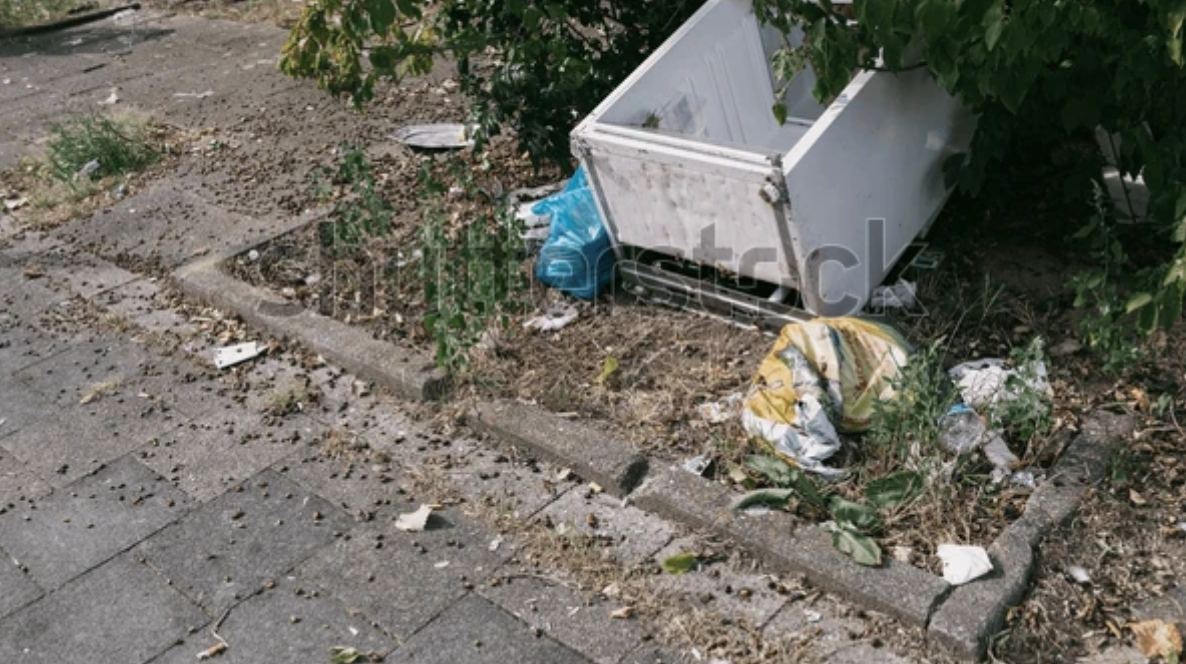
Getting rid of an old refrigerator might seem like a simple curbside task, but improper disposal can release hazardous chemicals, contribute to environmental damage, and potentially result in fines or legal trouble. Instead, taking the time to responsibly recycle or donate your refrigerator not only protects our ecosystem but also benefits the local community. Those seeking safe, local options should consider refrigerator recycling Sussex County, NJ, for environmentally friendly methods available close to home.
Every year, millions of appliances are discarded; however, the stakes are higher when it comes to refrigerators due to the materials and substances they contain. Left unchecked, improper disposal can lead to toxic chemicals entering the air, soil, and water, creating a ripple effect of harm that affects both people and the planet. Knowing your options for responsible disposal means you can avoid those pitfalls—and in many cases, help your neighbors at the same time.
Before deciding what to do with your old fridge, it’s essential to consider the broader environmental impacts and your community’s specific requirements. By following proper steps, you’ll stay on the right side of the law and support a more sustainable future.
Environmental Hazards of Improper Disposal
Refrigerators, especially older models, contain substances like chlorofluorocarbons (CFCs) and hydrofluorocarbons (HFCs) linked to ozone depletion and climate change. Beyond refrigerants, insulating foam and electronic components often house mercury and PCBs. If left to degrade in a landfill, these toxins seep into the soil and air, threatening public health. Professional recycling ensures these materials are captured safely, significantly reducing greenhouse gas emissions.
Improper disposal of waste poses serious environmental hazards by contaminating soil, water, and air. When harmful materials like plastics, chemicals, and electronic waste are not managed correctly, they release toxic substances that can damage ecosystems and threaten human health. Polluted water sources affect aquatic life and drinking water quality, while burning waste contributes to air pollution and climate change. Proper waste management and recycling remain essential to reduce these risks and protect the environment for future generations.
Legal Implications
Many states and local governments have strict rules for disposing of refrigerators and other large appliances. Leaving a fridge by the curb, even temporarily, can lead to penalties because it poses a risk to children—who might get trapped inside—and creates environmental hazards. Laws mandate the removal of refrigerants and often restrict disposing of appliances with hazardous materials at regular landfills. Make sure to check local regulations and arrange proper disposal to avoid fines or legal issues.
Proper Disposal Methods
To safely dispose of an old refrigerator, consider:
- Certified Recycling Programs: Local recycling facilities and dedicated programs ensure refrigerators are dismantled, and hazardous materials are safely extracted. Trained technicians use specialized equipment to remove harmful refrigerants before the rest of the material is processed.
- Retailer Take-Back Services: Some retailers and manufacturers offer disposal or take-back programs, often when a new refrigerator is delivered. They handle removal in accordance with the latest safety and regulatory standards.
- Local Waste Management Services: Municipal bulk item programs can often be helpful, especially if you schedule appliance pickups on designated days, ensuring your fridge complies with local requirements.
These methods ensure safety, comply with legal requirements, and help divert recyclable components from landfills.
Donation Options
If your refrigerator is still working, it has the potential to help another family or a charitable organization. Many nonprofits, such as Habitat for Humanity and local shelters, accept appliance donations, often offering pickup services to make the process easy. Some organizations may even provide tax acknowledgment for your contribution. Donating extends the lifespan of the appliance and keeps otherwise functional equipment out of the waste stream, supporting sustainability and those in need.
Recycling Programs
The EPA’s Responsible Appliance Disposal (RAD) program partners with municipalities, utilities, and retailers to ensure that appliances, such as refrigerators, are recycled safely. These programs ensure not just the removal of hazardous substances but also the recovery of valuable metals and plastics. Inquiring with local waste authorities about participation in such programs can help you find the nearest and most responsible drop-off location.
Preparing Your Refrigerator for Disposal
- Remove Doors: Always take off the refrigerator doors or securely bind them shut to prevent accidents, particularly those involving children.
- Clean the Interior: Thoroughly clean out the refrigerator to remove any food or debris, which can attract pests and cause odors during storage or transport.
- Secure Loose Parts: Tape or secure shelves and any removable compartments to prevent damage or shifting during the move.
Taking these steps ensures both safety and compliance during the removal and disposal process.
Benefits of Responsible Disposal
- Environmental Protection: Prevents hazardous substances from contaminating the environment.
- Energy Conservation: Recycling metals, plastics, and glass from old refrigerators conserves significant amounts of energy and resources.
- Community Support: Donating working appliances aids local organizations and families in need, multiplying the positive impact of your disposal decision.
These benefits underscore the importance of responsible actions, transforming an old appliance from a problem into a community asset or a source of valuable materials for future products.
Conclusion
Responsible refrigerator disposal involves more than simply placing your old unit at the curb. By using certified recycling services, understanding your legal obligations, and considering donation, you support both a cleaner environment and your local community. Every properly disposed of fridge helps limit pollution, conserve resources, and provide a helping hand to others. When in doubt, look to local specialists and trusted organizations to guide you through the process, ensuring your old refrigerator has a positive second life.
If you want to know about How Commercial HVAC Services Ensure Warm Workspaces During Winter then visit our Home improvement category.