Key Takeaways
- Online fire investigation courses provide crucial training and flexibility for both newcomers and professionals in the field.
- High-quality programs focus on current investigative techniques, legal aspects, and real-world case studies.
- Continuous education ensures professionals stay effective and adapt to ongoing technological advancements.
Introduction to Fire Investigation
Fire investigation is an essential field dedicated to uncovering the origin and cause of fires. Professionals in this domain are responsible for helping ensure public safety, supporting justice through legal investigations, and aiding insurance assessments. Their expertise is crucial when determining not only accidental or natural causes but also potential cases of arson or negligence. With such high stakes—ranging from criminal justice proceedings to the allocation of insurance claims—it is vital that fire investigators are trained to the highest standards. As the demand for accessible and high-quality education increases, many comprehensive fire investigation courses online have emerged, making it easier for both aspiring investigators and seasoned professionals to enhance their capabilities and keep pace with developments in the field.
The flexibility provided by online learning is transforming professional education across nearly all fields, and fire investigation is no exception. Learners can now boost their investigative knowledge from anywhere in the world, on their own schedule. This evolving landscape helps accommodate the busy lives of current fire service employees, law enforcement officers, and insurance investigators, while also providing robust foundational learning for beginners seeking an entry-level understanding before moving on to more advanced topics or in-person fieldwork.
Benefits of Online Fire Investigation Courses
Enrolling in online fire investigation courses grants a level of flexibility and convenience that traditional classroom learning may not always offer. These programs allow individuals to proceed at their preferred pace, enabling them to fit coursework around demanding work schedules, shift work, or significant personal responsibilities. This asynchronous learning environment empowers busy professionals who want to pursue further education without committing to rigid schedules.
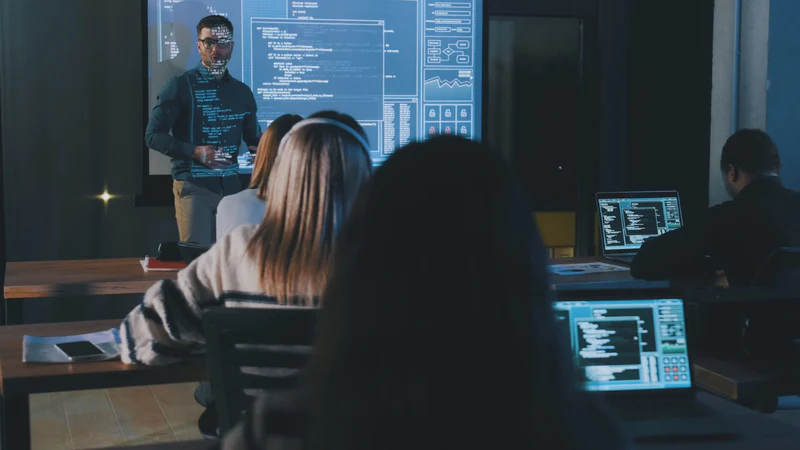
Additionally, many online courses leverage advanced teaching tools—such as video lectures, real-world case simulations, 3D virtual scene reconstructions, and interactive discussion boards—that promote more profound understanding. Learners can review content as needed, participate in group discussions with peers and instructors, and even engage in simulated field investigations. These opportunities are invaluable in building confidence before addressing real incidents.
Not only do learners benefit from modern teaching methods, but they also often gain access to resources that would be otherwise restricted, such as case databases, updated regulatory guidance, and direct interaction with specialists in the field. This approach supports a well-rounded, up-to-date educational experience and often results in better preparation for certification exams or advancement within an organization.
Key Components of a Quality Fire Investigation Course
Quality matters when choosing an online fire investigation program. It is essential to look for courses that not just impart theory, but also foster practical skills and critical thinking. A robust program will:
- Offer a comprehensive curriculum that addresses all relevant aspects such as fire patterns, scene examination, collection and preservation of physical evidence, legal protocols, and report writing in accordance with accepted standards.
- Be taught by experienced instructors—preferably active or retired professionals with real-world insight, who can provide detailed examples and answer nuanced questions based on actual field experience.
- Hold recognized accreditation—programs backed by trusted professional bodies or regional authorities ensure credibility and facilitate career advancement, which can be especially important for professionals seeking to meet statutory or industry certification requirements.
- Include interactive elements—such as quizzes, case reconstructions, peer-review assignments, and scenario-based exercises — that drive understanding and retention by putting knowledge into a practical context.
Some courses also offer continuing education units (CEUs) or can be used toward earning or renewing critical professional certifications, which adds value for those working under state- or employer-mandated continuing education requirements.
Advancements in Fire Investigation Techniques
Fire investigation is witnessing a technological renaissance that has fundamentally changed the way experts approach complex scenes. Automated image-based analysis tools and quantitative shape analysis have revolutionized fire pattern identification, enabling more objective, data-driven conclusions. By merging expert human judgment with cutting-edge software, investigators can now produce more reliable, consistent, and objective results, reducing the chances of error and bias that can sometimes affect manual evaluations. Broader advances, such as improved databases and information-sharing protocols, now make high-quality knowledge and reference materials accessible to practitioners globally, removing geographical barriers to education and professional development. Investigators can compare live fire scenes to a library of documented cases, making it easier to identify rare or unusual patterns. These changes help reduce investigatory errors, facilitate better training, and promote best practices across agencies.
Importance of Continuous Education
Because fire investigation is constantly shaped by new research, regulations, and technologies, professionals must commit to ongoing education. Advances in building materials, fire dynamics, and evidence handling require investigators to update their skills regularly. Online continuing education courses provide a practical way to maintain knowledge and skills without disrupting daily work, enabling professionals to stay informed about the latest best practices and emerging scientific findings.
Regular training directly impacts firefighter and investigator safety, helping professionals uphold high standards of public protection. Continuous learning enables investigators to adapt to revised investigative protocols, advancements in analytical tools, and evolving regulatory standards, thereby enhancing accuracy and thoroughness. Investing time in continuous learning not only improves individual performance but also strengthens entire investigative teams. By remaining up to date and maintaining a culture of ongoing education, professionals contribute to more consistent and accurate outcomes in legal cases, insurance claims, and public safety decisions.
Conclusion
The rapid growth of online fire investigation courses offers a valuable opportunity for both aspiring and experienced professionals to build and update their skills on flexible terms. By taking advantage of this evolving educational landscape, individuals can pursue comprehensive training that includes theoretical knowledge, practical skills, and exposure to the latest advances in investigative science. The best programs focus on comprehensive training, leverage the latest advances, and prioritize continuous learning—ensuring that those in the field can keep communities safe, meet regulatory requirements, and support accurate, science-based fire cause determinations.
Apart from that, if you want to know more about How Students Can Earn Money by Completing Homework Assignments then visit our Education category.
Learners can now boost their investigative knowledge from a wide range of online courses, including those focused on fire investigation, such as Revenue Cycle Management.
For those interested in organizing events, you might also find Ten Ways to Promote Your Upcoming Charity Football Game useful.
For those interested in organizing events, you might also find Ten Ways to Promote Your Upcoming Charity Football Game useful.