Erosion control is more than just a visual concern; it’s a foundational aspect of landscape stability. Uncontrolled runoff can degrade soil, expose roots, and compromise hardscaping. One of the most effective long-term solutions is gravel. Whether for sloped yards, drainage swales, or high-traffic pathways, choosing the right gravel ensures both functional resilience and aesthetic value. In regions where soil stability is a concern, choosing the right gravel in Cumming begins with understanding how various types perform in erosion-prone environments.
Understanding Erosion and Gravel’s Role
Erosion typically occurs when water flow removes topsoil, leaving areas bare and destabilized. Over time, this not only affects the appearance of the yard but also leads to foundation issues, flooding, and plant stress. Gravel serves as a barrier and stabilizer, dispersing water impact and anchoring loose soil.
However, not all gravel performs equally. Choosing the correct type, based on particle size, shape, and drainage properties, is critical to achieving effective erosion control. It’s not just about filling space; it’s about controlling how water moves through and over the landscape.
Key Gravel Types for Erosion Control
Crushed Stone
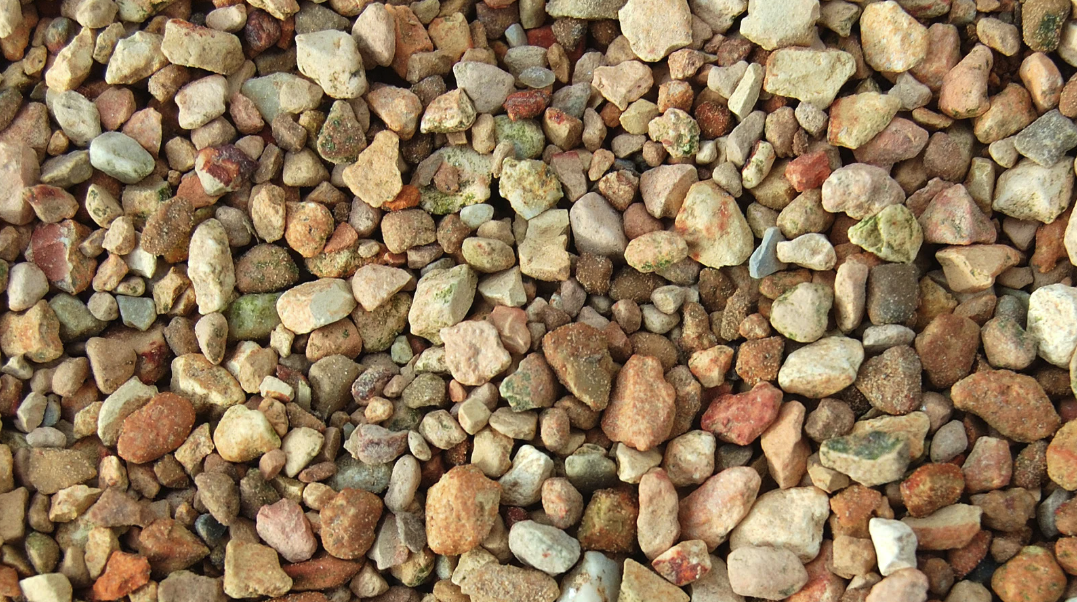
Angular in shape, crushed stone interlocks tightly and resists displacement. It is ideal for areas with moderate to heavy water flow, such as near downspouts or at the base of slopes. Its sharp edges lock into place under pressure, reducing washout even in heavy rain conditions.
Pea Gravel
Rounded and smaller in size, pea gravel is best suited for moderate erosion zones or for aesthetic ground cover where heavy flow isn’t a concern. While it offers excellent drainage, it does not lock in place as firmly as angular gravel and can shift over time without a retaining structure.
Gravel with Fines
This hybrid mix includes smaller particles, often called screenings or dust, that compact well. It’s effective in stabilizing areas like pathways and driveways while providing erosion resistance on flat to mildly sloped surfaces. The fines help bind the material, making it a semi-solid base that can be topped with decorative gravel for appearance.
Placement Strategy Matters
Correct placement is as important as the material itself. Gravel used for erosion control should be installed in a graded layout, allowing water to flow through or over it without pooling. Edging structures or retaining walls may be needed in steeper areas to prevent movement.
Depth also plays a role. A layer that’s too thin won’t offer sufficient protection; too thick, and it may impede drainage. In most residential applications, a 2–4 inch depth is effective, though this should be adjusted based on site-specific runoff volume and slope severity.
Long-Term Advantages of Gravel-Based Systems
Aside from immediate erosion control, gravel solutions contribute to improved drainage, reduced maintenance, and a more structured landscape layout. These systems often integrate with other materials, such as river rock, retaining blocks, or plantings, to create a layered, resilient design that holds up over time.
In understanding the benefits of using sand and gravel, it becomes clear that gravel does more than just resist erosion. It also plays a role in regulating moisture levels, supporting healthy root systems, and defining zones in the landscape without requiring organic mulch or grass cover.
Professional Guidance Makes the Difference
Installing gravel for erosion control is not a one-size-fits-all process. The choice of material, its compaction level, and placement strategy vary depending on slope, soil type, drainage, and site usage. Engaging with experienced professionals ensures these variables are addressed properly from the outset, preventing costly adjustments later.
Professionals can also advise on integration with other erosion mitigation measures, such as French drains, dry creek beds, or geo-fabric underlayment, further enhancing the system’s stability and longevity.
Conclusion
Gravel is a practical and efficient solution for managing erosion in residential landscapes, offering long-term control with minimal upkeep. When chosen and installed correctly, it supports both the structural integrity and visual appeal of outdoor spaces.
In locations like Cumming, where heavy rains and sloped terrains are common, the right gravel solution can protect your yard from gradual degradation. Understanding how each type performs and leveraging expert planning transforms gravel from a basic ground cover into a strategic element in erosion defense. When executed properly, it’s a choice that safeguards your landscape while elevating its overall design.
For more information on how various types of gravel perform in erosion-prone environments, you might find this article on API design practices insightful: The Role of Green Grass Paint Colorants in Lawn Maintenance