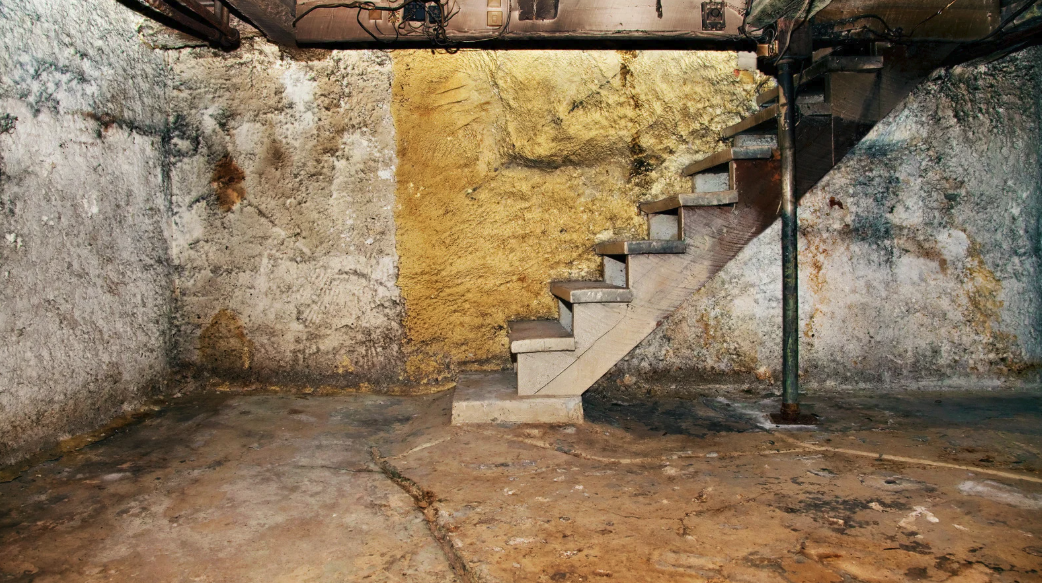
Basements are the foundation of any home, both structurally and environmentally. When moisture infiltrates this critical space, it can create a chain reaction that impacts the entire property. From mold growth to compromised air quality, the consequences of neglecting moisture control are significant. Homeowners seeking solutions for basement waterproofing in Milton understand that safeguarding the basement is not just about preventing leaks; it’s about protecting the integrity and health of the entire living environment.
Understanding the Hidden Risks of Moisture
Even minor seepage in a basement can lead to extensive damage over time. When water enters through cracks, joints, or porous concrete, it elevates humidity levels and sets the stage for mold, mildew, and bacteria to thrive. These contaminants circulate through HVAC systems, affecting air quality in every room above.
Excess moisture can also weaken structural elements, corrode metal supports, and deteriorate wooden framing. Left unchecked, it not only compromises the home’s durability but also diminishes its market value. Preventive waterproofing is therefore both a protective and financial investment.
Common Sources of Basement Moisture
Several factors contribute to water intrusion. Poor exterior grading, clogged gutters, or malfunctioning downspouts can direct rainwater toward the foundation. Hydrostatic pressure, the force exerted by water-saturated soil, can push moisture through even the smallest foundation cracks. Additionally, condensation from interior temperature imbalances often creates hidden dampness that slowly spreads.
The Importance of Professional Waterproofing
DIY fixes may provide temporary relief, but they rarely address the underlying issues. Professional basement waterproofing combines technical expertise, high-quality materials, and long-term strategy. Specialists evaluate the property’s foundation type, soil conditions, and water flow patterns before recommending the most effective approach.
Interior waterproofing typically involves sealants, sump pumps, and dehumidification systems that control moisture from within. Exterior waterproofing, on the other hand, focuses on soil management, drainage improvement, and foundation sealing to prevent water from reaching basement walls in the first place.
Why Precision Matters in Waterproofing
Waterproofing is not a one-size-fits-all process. Every property requires a customized plan based on its foundation type, soil conditions, drainage patterns, and level of exposure to moisture. A professional waterproofing strategy evaluates these factors to create a long-term solution rather than a temporary fix. In areas where heavy rainfall and groundwater pressure can threaten structural integrity, services such as Basement Waterproofing Iowa City help protect homes from leaks, mold growth, and water damage. Proper installation of membranes, drainage systems, sump pumps, and sealants ensures that all protective components work together effectively to keep basements dry and secure.
Accurate execution not only prevents current leaks but also reinforces the home’s long-term stability. Proper waterproofing effectively transforms basements from vulnerable spaces into dry, usable extensions of the home.
Health Benefits of a Dry Basement
Beyond structural protection, waterproofing plays a crucial role in maintaining indoor air quality. Damp basements serve as breeding grounds for mold spores, which can trigger allergies, respiratory irritation, and chronic health issues. High humidity also attracts pests and accelerates the decay of building materials.
By maintaining consistent dryness, waterproofing reduces these risks and contributes to a cleaner, healthier indoor environment. Homeowners often notice improvements in air freshness, comfort, and energy efficiency after moisture issues are resolved.
Building Knowledge and Prevention Awareness
Understanding the fundamentals of basement waterproofing helps homeowners make informed decisions about protecting their property. This foundational knowledge highlights how different techniques, such as drainage systems, vapor barriers, and foundation sealants, work together to create a multi-layered defense.
The Long-Term Value of Waterproofing
Waterproofing is an investment that pays dividends over time. A properly sealed and ventilated basement reduces maintenance costs, prevents structural deterioration, and supports a safer living environment. It also expands usable living space, transforming previously damp areas into functional rooms such as home offices or recreation areas.
Furthermore, prospective homebuyers increasingly view basement waterproofing as a sign of responsible ownership and proactive property management, factors that enhance overall resale value.
Conclusion
Basement waterproofing is far more than a preventive measure; it’s a cornerstone of healthy home management. By controlling moisture at its source, homeowners protect their property’s structure, maintain air quality, and prevent the costly consequences of long-term water damage.
A dry basement fosters a safe, energy-efficient, and durable living environment. For homeowners who value both comfort and longevity, investing in professional waterproofing is not an option; it’s an essential step toward preserving the health and integrity of the entire home for years to come.