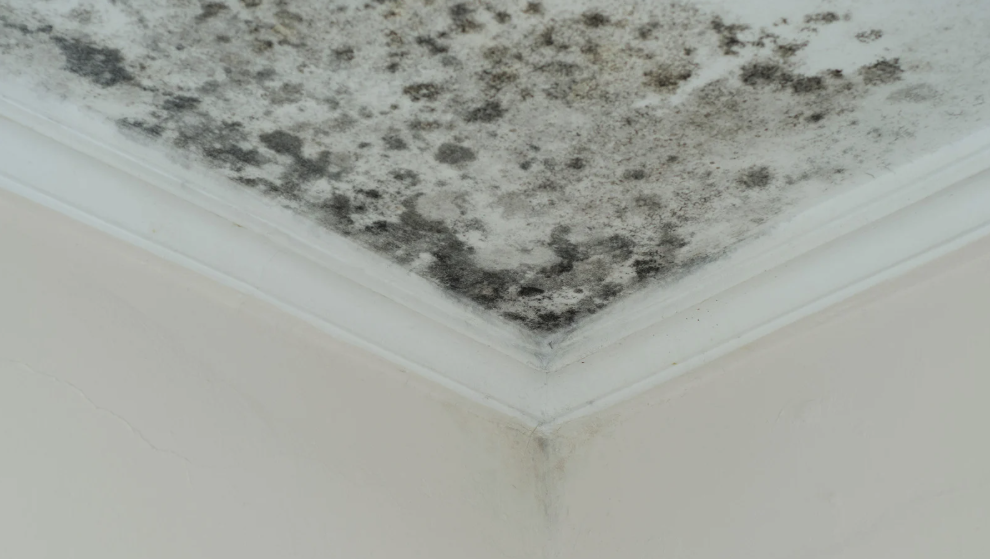
Roof leaks are often treated as a minor maintenance issue: patch the hole, clean up the water, and move on. But what most homeowners don’t realize is how dangerous mold from a roof leak can become if not handled properly. Water seeping through the ceiling doesn’t just evaporate; it soaks into insulation, drywall, and framing, creating the perfect conditions for aggressive mold growth.
This is where professional services for mold removal in Lawrenceville become essential. What appears to be minor discoloration could signal a far-reaching contamination inside your home’s structure.
How Roof Leaks Lead to Hidden Mold
Water follows the path of least resistance, and that usually means downward, into walls, ceilings, and insulation. Once moisture enters these spaces, it creates dark, confined, and damp conditions, ideal for mold to take hold. The challenge is that mold from roof leaks often starts in the attic or within ceiling cavities, areas rarely inspected. By the time it’s visible inside your living space, it’s already spread extensively behind the walls.
One common misconception is that all molds behave the same. However, learning the difference between white mold vs black mold highlights why roof leak–driven infestations are particularly dangerous. Certain strains, including toxic black mold, thrive in cellulose-rich materials like insulation and drywall, materials that are saturated after a roof leak.
Why This Type of Mold Is Especially Risky
Unlike surface mold in kitchens or bathrooms, mold from a roof leak has time, space, and cover to grow undisturbed.
1. It’s Often Hidden Until It’s Advanced
Roof-leak mold typically isn’t discovered until it shows visible signs, such as yellow ceiling stains, peeling paint, or sagging drywall. By that point, the structure behind the surface may already be compromised.
2. It Targets Structural Materials
Moisture from above doesn’t just sit; it seeps. It weakens wooden beams, destroys insulation, and leads to soft, rotting drywall. Over time, the structural integrity of the roof and upper walls can become unstable.
3. It Impacts Indoor Air Quality
Mold spores don’t stay confined. Once they’re airborne, they travel through vents and HVAC systems. This can lead to respiratory issues, allergic reactions, and long-term health effects, especially in homes with children or older adults.
What Professional Mold Removal Involves
Treating mold from a roof leak requires more than drying the surface or painting over stains. Professionals begin with a comprehensive inspection to determine how far the moisture has spread. Once identified, the affected zones are sealed off to contain spores. Contaminated materials like insulation and drywall are removed, while all remaining surfaces are treated with antimicrobial solutions. The area is then thoroughly dried using industrial-grade dehumidifiers and air scrubbers to restore a safe environment.
Finally, the moisture source, the roof, is repaired, ensuring water intrusion doesn’t recur.
Conclusion
Roof leaks may start as a drip, but the mold that follows can spiral into a costly, hazardous issue. Because the contamination usually hides inside ceilings and walls, it gains a head start, damaging materials and circulating spores through your home. Timely professional remediation isn’t just a fix; it’s a safeguard against future deterioration. Addressing it properly means protecting both your property and your long-term health.