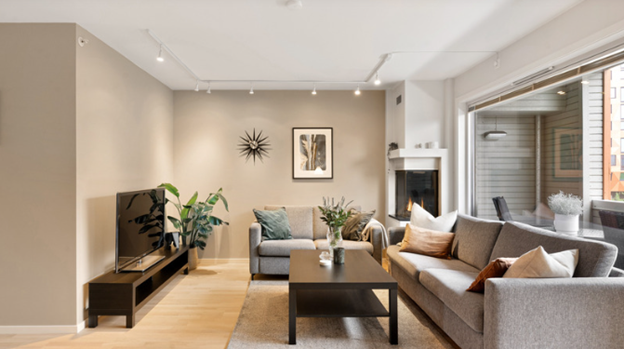
Interior design is about more than style; it’s about shaping how a space works, feels, and supports daily living. A skilled interior designer in Atlanta doesn’t simply decorate; they reimagine the potential of each room to make it more purposeful, intuitive, and inviting. From awkward layouts to underutilized corners, they transform everyday spaces into highly functional environments tailored to the people who use them.
Function-Led Design From the Ground Up
The process begins with understanding the way you live. Interior designers assess how a space flows, where it falls short, and how it can be optimized. Whether it’s improving lighting, enhancing storage, or creating better zoning between areas, their role is to ensure the design solves real-life challenges.
Every element, from the placement of furniture to the choice of finishes, is selected with both aesthetics and usability in mind. Their work turns disconnected or cluttered rooms into cohesive, high-performing living spaces.
Choosing the Right Interior Designer
A successful project often comes down to selecting the right professional for the job. That’s why choosing the right interior designer for your home renovation plays a critical role in how the entire process unfolds. The right designer will not only understand your vision but also know how to bring it to life, efficiently and within budget.
They’re equipped to navigate constraints, offer creative alternatives, and streamline everything from initial concept to final installation. This level of alignment ensures your space ends up feeling personal, polished, and practical.
Blending Aesthetics With Usability
Interior designers are experts at balancing form and function. They curate finishes, textures, and layouts that reflect your personality while supporting how you move through the space. A well-designed kitchen, for instance, isn’t just visually appealing; it also flows naturally, keeps clutter at bay, and adapts to different activities.
These professionals know how to layer lighting, select furniture with the right scale, and create storage that doesn’t sacrifice style. Every design decision is intentional, driven by how the room will actually be used.
Bringing Light, Space, and Atmosphere Together
Lighting can make or break a space. Designers strategically use a mix of ambient, task, and accent lighting to elevate atmosphere and define function within a room. They also work with natural light, choosing window treatments and reflective surfaces that maximize brightness while maintaining comfort and privacy.
This attention to light, space, and proportion enhances the emotional tone of the room, making it not only functional but also a place you want to spend time in.
Professional Execution From Concept to Completion
Interior designers bring more than creative ideas; they bring project control. From sourcing materials and coordinating with contractors to managing timelines and resolving issues, they handle the logistical side of design with precision. Their experience helps avoid costly mistakes, keep progress on track, and ensure the final result matches the original vision.
Clients benefit not just from their eye for detail but from their industry access and ability to turn design concepts into tangible outcomes.
Conclusion
Great design doesn’t just make a room look better, it makes it work better. Interior designers bring structure, intention, and livability to every space they shape. By aligning form with function, and aesthetics with purpose, they turn everyday rooms into environments that are both beautiful and built to support real life. Whether you’re refreshing one room or renovating an entire home, the right design approach changes everything.
For those interested in optimizing their living spaces, learning about function-led design from the ground up can be beneficial.