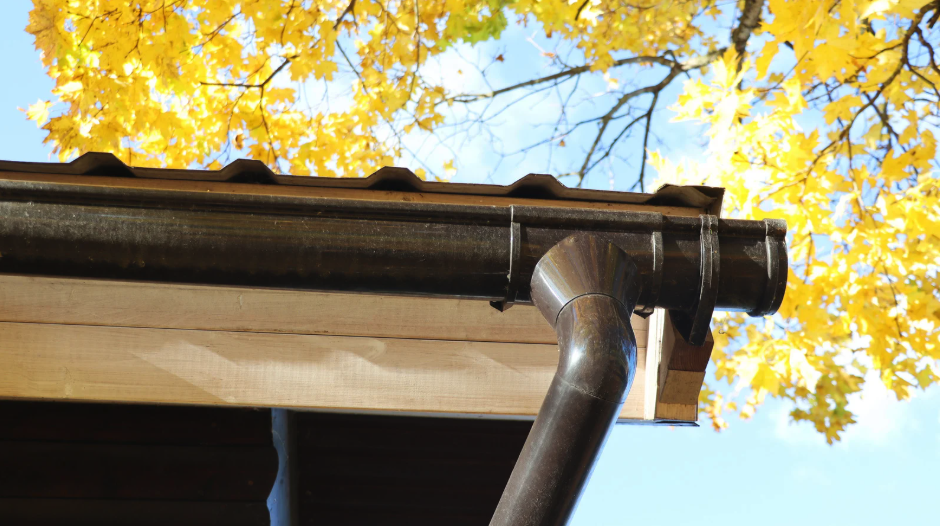
A functional gutter system is essential for protecting your home from water damage, foundation issues, and structural decay. But even with quality materials, improper installation or slope can render gutters ineffective. In gutter installation in Dunwoody, where heavy rainfall and seasonal storms are common, ensuring that your gutters have the right slope is critical for directing water away from your property efficiently.
Many homeowners overlook the gutter slope until problems arise; standing water, overflow, or leaks are all warning signs of poor alignment. Understanding how to assess and maintain the proper slope can prevent these costly issues.
Understanding Gutter Slope
The gutter slope, also known as the pitch, refers to the subtle angle at which gutters are installed to allow water to flow smoothly toward the downspouts. It’s not visibly steep, typically about a quarter inch per 10 feet of gutter, but it plays a crucial role in performance.
When gutters are perfectly level or too steep, water flow is disrupted. A level gutter causes pooling, while an excessive slope leads to fast runoff that can overshoot the downspout and erode the landscape. Achieving this balance requires precision and professional expertise.
Signs of Improper Gutter Slope
A misaligned gutter system doesn’t always reveal itself immediately, but the warning signs become evident over time:
- Standing water: Pooled water indicates an insufficient slope.
- Overflowing gutters: Water cascading over edges suggests improper pitch or blockage.
- Sagging sections: Weight from stagnant water pulls gutters out of alignment.
- Visible separation: Gaps between the gutter and fascia board show that the slope has shifted.
- Water stains on siding: This signals runoff that’s not draining as intended.
If any of these issues appear, it’s best to have the system inspected by a professional specializing in precise installation and alignment.
Why Proper Gutter Slope Matters
A correct gutter slope ensures that rainwater flows seamlessly toward the downspouts, preventing moisture buildup along the roofline, fascia, and foundation. When water stagnates, it accelerates corrosion, wood rot, and even basement flooding.
Professionally installed gutters are designed to optimize drainage according to your roofline and property grade. This precision prevents both short-term water pooling and long-term structural risks.
A well-functioning drainage system depends on precision, and understanding why gutters are important makes it clear that the right slope is fundamental to that efficiency. When gutters are properly angled, water moves freely toward the downspouts, preventing buildup along the roofline and safeguarding the foundation. Without the correct slope, even premium materials and regular cleaning can’t stop overflow, leaks, or long-term structural damage.
The Role of Professional Installation
Professionals use leveling tools, laser measurements, and secure hangers to achieve the perfect slope throughout the gutter line. They also factor in roof size, water volume, and downspout placement to ensure balanced drainage.
In areas like Dunwoody, where rainfall intensity varies seasonally, this precision is vital. A properly sloped gutter system installed by experts not only improves drainage but also reduces long-term maintenance needs and prevents premature wear.
Routine Inspection and Maintenance
Even perfectly sloped gutters require regular checks. Leaves, debris, or ice buildup can alter water flow and compromise the angle over time. Professionals recommend inspecting gutters at least twice a year, after spring pollen and fall leaf season, to maintain alignment and efficiency.
Routine professional maintenance includes re-securing loose hangers, flushing the system, and confirming slope accuracy with precision tools. This proactive care extends the system’s lifespan and protects your home from moisture-related damage.
Conclusion
Proper gutter slope is a small detail with major consequences. When correctly aligned, gutters channel rainwater effectively, preserving your home’s structure and foundation. But when misaligned, even slightly, they can cause pooling, overflow, and long-term water damage. Investing in professional gutter installation ensures accurate slope, durable construction, and optimal protection against the region’s demanding weather. The right installation today prevents costly repairs tomorrow, keeping your home dry, secure, and well-protected year-round.
For more information on aligning ISO standards with your existing business processes, check out How to Align Iso 27001 with Your Existing Business Processes.