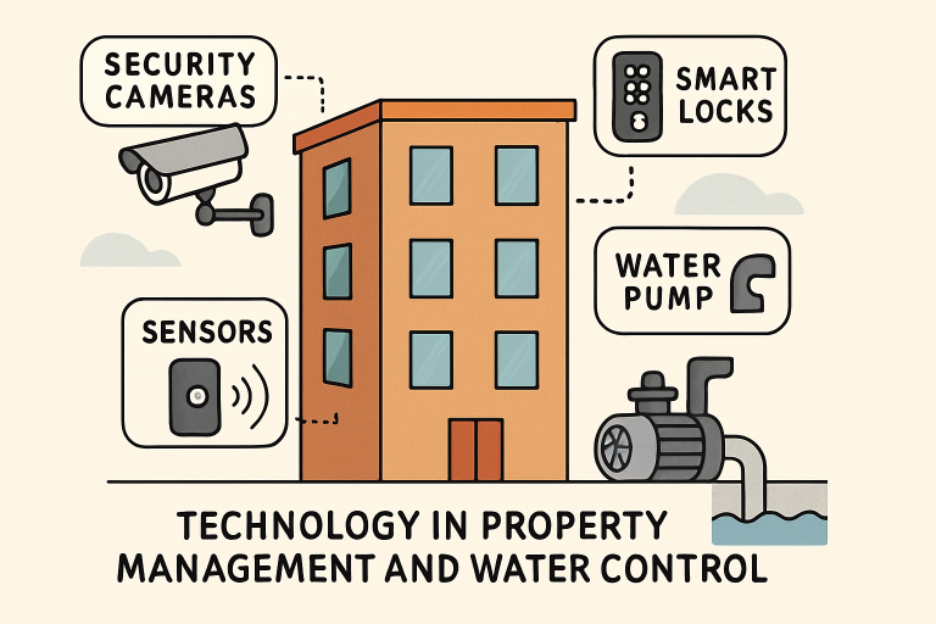
Efficiently managing rental properties while ensuring effective dewatering solutions demands a strategic blend of technology, planning, and industry partnerships. With the rental and dewatering landscape evolving rapidly, leveraging innovations such as sludge dewatering systems and smart property tools can help operators optimize performance and reduce costs. These strategies benefit everyone, from tenants to property managers and service providers.
As environmental standards tighten and resident expectations rise, embracing innovative solutions is no longer optional—it’s essential for staying ahead. Smart access controls, predictive maintenance, and data-driven water management not only boost operational efficiency but also contribute to a more sustainable and attractive portfolio. Digital transformation is paving the way for next-generation rental experiences and compliance for critical dewatering operations.
By adopting advanced technology and industry best practices, property managers and dewatering operators can streamline maintenance, enhance tenant satisfaction, and cut unnecessary expenditures. These innovative strategies translate to tangible savings and a competitive edge in an increasingly dynamic market.
Technology is shaping the future of these sectors, but so are people-centric partnerships and integrated workflows. Whether you’re looking to modernize multifamily housing or enhance the effectiveness of water management, understanding and acting on these trends can unlock lasting results for your operation.
Leveraging Smart Technology in Rental Management
Integrating innovative technology across rental properties streamlines operations, boosts tenant satisfaction, and unlocks new revenue streams. Smart locks, security cameras, and advanced thermostats automate property access and climate control, allowing property managers to handle issues remotely. A New York Times report found that communities utilizing robust innovative systems often command higher rents and experience fewer vacancy cycles due to enhanced resident appeal and property safety.
Benefits of Smart Access and Infrastructure
Intelligent access control and automation cut response times for maintenance and security needs. These innovations empower staff and reduce human error, creating a more seamless operational environment that tenants appreciate. With fewer lockouts and energy savings stemming from programmable systems, both resident retention and property profitability can surge.
Implementing Predictive Maintenance
Predictive maintenance utilizes sensor data and analytics to anticipate when systems require servicing, enabling teams to intervene before costly breakdowns occur. For rental buildings, predictive maintenance primarily targets vital components, such as HVAC and plumbing. Research has shown predictive upkeep can noticeably reduce reactive emergency repairs, ensuring more reliable infrastructure and lower long-term costs.
How Predictive Analytics Drive Efficiency
Accessible dashboards and alerts enable property staff to prioritize issues, prevent water damage, and address inefficiencies in real time. This approach not only extends equipment life but streamlines vendor interactions and inventory requirements, which is especially helpful for operators managing multiple properties or large portfolios.
Enhancing Energy Efficiency
Rising energy prices and environmental pressures are prompting property managers to seek savings of 20% or more through the use of smart meters, automated lighting, and energy reporting. According to a U.S. EPA ENERGY STAR study, multifamily buildings that utilize innovative technologies consistently reduce energy consumption while maintaining comfort and service quality. These upgrades also appeal to eco-conscious tenants, fortifying long-term occupancy and rent growth.
Optimizing Water Management in Dewatering Services
Water management is central to dewatering operations—whether on construction sites, mining facilities, or within municipal infrastructure. Implementing innovative monitoring systems enables managers to track flow rates, identify leaks, and promptly address inefficiencies. For example, a Washington, DC apartment building reportedly saved over $33,000 in just nine months by using real-time water monitoring solutions.
Regulatory Compliance and Environmental Benefits
Automated data logs and alert systems support regulatory compliance while minimizing the risk of costly violations. Proactive water tracking enables reduced environmental impact and facilitates the easier achievement of sustainability targets, making it an indispensable tool in today’s market.
Adopting IoT for Real-Time Monitoring
IoT-enabled sensors and smart devices offer property managers and dewatering professionals actionable insights 24/7. These tools aggregate and display critical data—such as water levels, temperature, and system health—through unified dashboards. Industry surveys reveal that over half of organizations view these innovative building technologies as a cornerstone for reducing operating costs and ensuring compliance in a highly regulated environment.
Streamlining Operations with AI
Artificial Intelligence is reshaping workflows by automating repetitive tasks—from scheduling to customer service—speeding up leasing and maintenance operations. AI-driven platforms can analyze thousands of data points to recommend optimal pricing, forecast maintenance needs, and surface actionable insights for tenants. As featured by Forbes, AI is a cornerstone of the future property management landscape by driving efficiencies that were previously unattainable through manual methods.
Fostering Strategic Partnerships
In both property management and dewatering services, partnerships with local businesses deliver practical value to tenants while unlocking operational efficiencies. Collaborating with vetted service providers—from local restaurants to specialized cleaning or maintenance contractors—empowers operators to offer unique amenities and faster response times. A strong network of partners multiplies problem-solving resources and strengthens a property or service offering’s position within the market.
Conclusion
Efficient rental management and dewatering services both now hinge on the strategic adoption of technology and smart coordination with external partners. From real-time monitoring to predictive maintenance, the future belongs to operators who combine innovative tools and proactive planning, delivering better outcomes for their businesses, their tenants, and the environment.
Apart from that if you want to know about How to Keep Your Home Devices Running Like New then please visit our Home improvement Category.