Choosing the right fuel source for your generator plays a significant role in its efficiency, maintenance, and long-term cost. Each option—propane, gasoline, or diesel—offers distinct benefits depending on how and where you use your equipment. Factors like fuel availability, storage stability, and engine performance can all influence which type is most practical for your specific power needs.
For homeowners and businesses preparing for outages or looking to maintain reliable backup power, it’s essential to understand how these fuels perform under different conditions. Local insights, such as those from communities using generators Edgewater MD, often highlight how climate, accessibility, and usage frequency affect fuel choice. By exploring these aspects, you can make an informed decision that balances convenience, cost, and environmental responsibility.
In this comprehensive guide, we break down the key considerations to help you confidently choose the generator fuel option that aligns with your power and lifestyle needs. As interest in sustainable energy options grows, articles from trusted publications increasingly highlight the trade-offs between convenience, economy, and environmental impact.
Propane Generators
Propane generators, renowned for their clean-burning properties, do not degrade over time like gasoline, ensuring reliable power even after extended storage. They operate quietly and produce fewer pollutants, making them suitable for residential use. However, propane has a lower energy density, resulting in less power per gallon, and requires specialized storage tanks, which may limit its practicality in compact or urban environments.
Gasoline Generators
Gasoline generators are popular due to their accessibility and affordability, making them suitable for home use during power outages and for recreational activities. However, they have drawbacks such as a short fuel shelf life, which can lead to engine problems, and safety risks associated with the flammability of gasoline, requiring careful handling and storage.
Diesel Generators
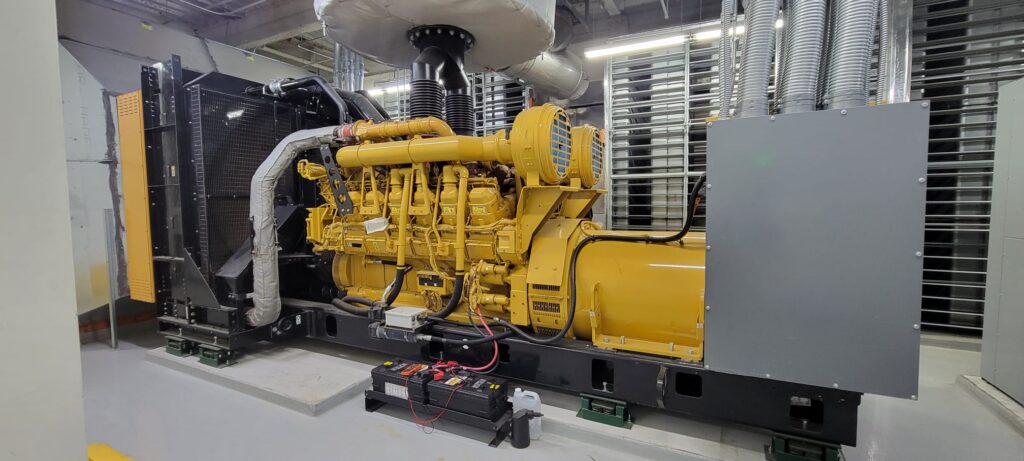
Known for robust construction and high fuel efficiency, diesel generators are the preferred choice for heavy-duty, industrial, and commercial applications. Diesel fuel contains more energy per gallon than both propane and gasoline, resulting in longer runtimes and the ability to efficiently tackle larger power loads. Diesel engines can be more resilient over extended use, offering long-term value for those who need consistent and reliable energy. On the other hand, diesel generators tend to be noisier and generate more emissions, especially nitrogen oxides and particulate matter, which can be a concern for locations with strict environmental standards.
Fuel Availability and Storage
Quick access to fuel and safe storage are key factors in selecting a generator. Gasoline is widely available but degrades within months, necessitating the use of stabilizers and posing a fire risk. Diesel is also commonly used, particularly in commercial applications, and can be stored for more extended periods with additives; however, tanks require regular maintenance to prevent contamination. Propane offers stable, long-term storage with minimal degradation, but it requires specialized tanks that may not be suitable for all properties.
Cost Analysis
Cost is more than just the sticker price of a generator. Diesel units, although typically more expensive initially, pay off in lower running costs and longer engine lifespans, making them a smart choice for frequent or industrial use. Gasoline models appeal for their affordability and lower entry costs, but may incur higher operating expenses if used regularly. Propane units strike a mid-point for both purchase and fuel costs, appealing as a balanced choice for moderate demand and eco-conscious buyers.
Environmental Considerations
The environmental impact of your generator is becoming increasingly important in light of climate change and air quality regulations. Propane stands out for its clean burn, producing significantly fewer carbon emissions compared to both gasoline and diesel. Gasoline-powered generators emit fewer pollutants than diesel but are often used for brief periods, which somewhat reduces their long-term environmental effects. Diesel engines, although fuel-efficient, are responsible for higher levels of harmful emissions, making them less favorable in residential or environmentally sensitive areas.
Conclusion
Choosing the right generator fuel type depends on the frequency of backup power needs, storage options, power requirements, and cost sensitivity. Propane is clean and has a long shelf life; gasoline is convenient and affordable for short-term use; diesel is efficient and durable for high-demand applications. Evaluating these factors helps in selecting the best solution for preparedness.
Apart from that if you want to know about Why Rubber Roofing Installation Requires Specialized Expertise for Longevity, then please visit our Home Improvement category.