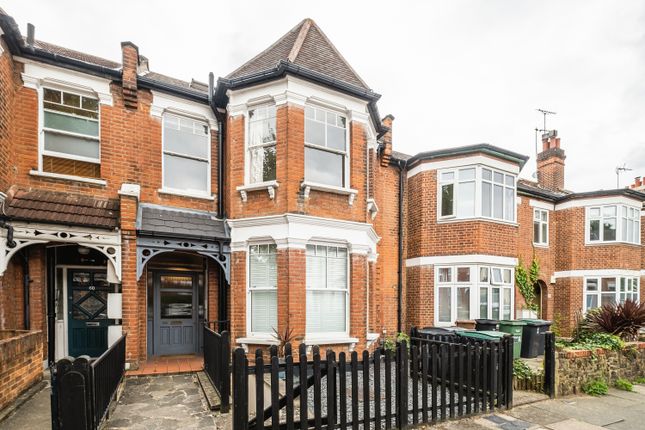
The London property market has long been a topic of interest for homeowners, investors, and analysts alike. As one of the world’s most dynamic and sought-after real estate sectors, it has seen dramatic price increases over the past few decades. However, with rising interest rates, inflation concerns, and shifting economic conditions, many are asking whether London house prices will continue their upward trajectory or if a market correction is on the horizon.
1. The Current State of London’s Property Market
As of 2024, the London housing market reflects a complex mix of stability and uncertainty. Prime Central London areas, including Kensington, Chelsea, and St John’s Wood, continue to attract international buyers and affluent locals. At the same time, outer London boroughs are seeing increased interest from first-time buyers and families looking for more affordable options.
Recent data shows that London’s average house price remains substantially higher than the national average. However, growth has slowed compared to the rapid increases of the previous decade. The Bank of England’s decision to raise interest rates has led to higher mortgage costs, reducing purchasing power for many potential buyers and putting downward pressure on prices.
2. Factors That Could Keep Prices Rising
Despite concerns about a potential price dip, several factors suggest that London house prices could continue to climb:
a) Limited Housing Supply
A chronic undersupply of housing in London remains a key driver of rising property prices. With the city’s population growing and new construction unable to keep pace, demand for housing in desirable areas continues to outstrip supply. Prime locations like St John’s Wood maintain strong buyer interest due to their exclusivity and high-quality lifestyle.
b) International Demand
London’s reputation as a global financial and cultural hub attracts foreign investors looking for safe and profitable property investments. Favorable currency exchange rates for international buyers further fuel demand, particularly in prestigious areas. St Johns Wood Estate Agents report consistent interest from overseas buyers seeking luxurious residences.
c) Infrastructure Improvements
Significant investments in infrastructure, such as the Elizabeth Line (Crossrail), are enhancing connectivity across London. Improved transport links make previously overlooked areas more accessible and attractive to buyers, driving local property price increases.
d) Strong Rental Market
The rising cost of homeownership and a growing population have contributed to a strong rental market in London. Investors continue to see real estate as a reliable income source, particularly in sought-after neighborhoods where rental demand remains high.
3. Signs of a Potential Price Dip
While several factors support continued price growth, there are also compelling arguments that the London housing market could experience a correction:
a) Rising Interest Rates
The Bank of England’s aggressive rate hikes have increased mortgage costs, making home loans less affordable. As borrowing becomes more expensive, buyer demand may weaken, leading to reduced competition and slower price growth.
b) Economic Uncertainty
Economic factors, such as inflation, energy costs, and global instability, could impact consumer confidence and spending power. If households become more cautious, property purchases may slow down, placing downward pressure on prices.
c) Shifting Buyer Preferences
The COVID-19 pandemic has altered buyer preferences, with many people prioritising larger homes with outdoor spaces. As a result, suburban and rural areas have seen rising demand at the expense of some central London apartments. If this trend continues, certain market segments may experience price stagnation or declines.
d) Increased Supply of New Developments
Although housing supply remains constrained, a surge in new property developments in certain areas could create local oversupply. This increase in available properties could dampen price growth if demand does not keep pace.
4. What Lies Ahead for London’s Property Market?
The outlook for London house prices depends on how these opposing factors play out over the coming months and years. While the long-term fundamentals of limited supply and global appeal suggest continued price resilience, short-term pressures from rising interest rates and economic challenges cannot be ignored.
Prime Central London Outlook
Prime Central London, including areas like St John’s Wood, is expected to remain relatively insulated from significant price drops. High-net-worth buyers, limited supply, and enduring desirability make these areas more resilient to market fluctuations. St Johns Wood Estate Agents report continued strong interest in properties for sale, especially from international investors seeking both security and luxury.
Outer London and Greater London Outlook
In contrast, outer London areas may be more susceptible to price corrections, particularly in locations where affordability is a primary concern. As mortgage rates rise and household budgets tighten, price growth in these regions may slow or temporarily reverse.
5. Should You Invest Now or Wait?
For prospective buyers and investors, the decision to enter the London property market depends on individual goals and risk tolerance. If you’re seeking a long-term investment in a prime area like St John’s Wood, current conditions may present attractive opportunities. Property for sale in St John’s Wood remains a sought-after asset due to the area’s exclusivity and prestige.
However, if you’re concerned about short-term price volatility, it may be wise to monitor market trends and wait for potential corrections. Consulting with experienced professionals, such as St Johns Wood Estate Agents, can provide valuable insights into local conditions and help you make informed decisions.
6. Conclusion
The future of London house prices remains uncertain, with compelling arguments on both sides of the debate. While rising interest rates and economic challenges may slow or reverse price growth in some areas, strong demand, limited supply, and global appeal continue to support long-term resilience.
For those considering an investment, prime areas like St John’s Wood continue to offer stability and strong capital appreciation potential. By staying informed and working with knowledgeable real estate professionals, buyers can navigate the complexities of the London property market and make decisions that align with their financial goals.
Apart from that, if you want to know more about How to Keep Your Home Devices Running Like New then visit our Home improvement category.