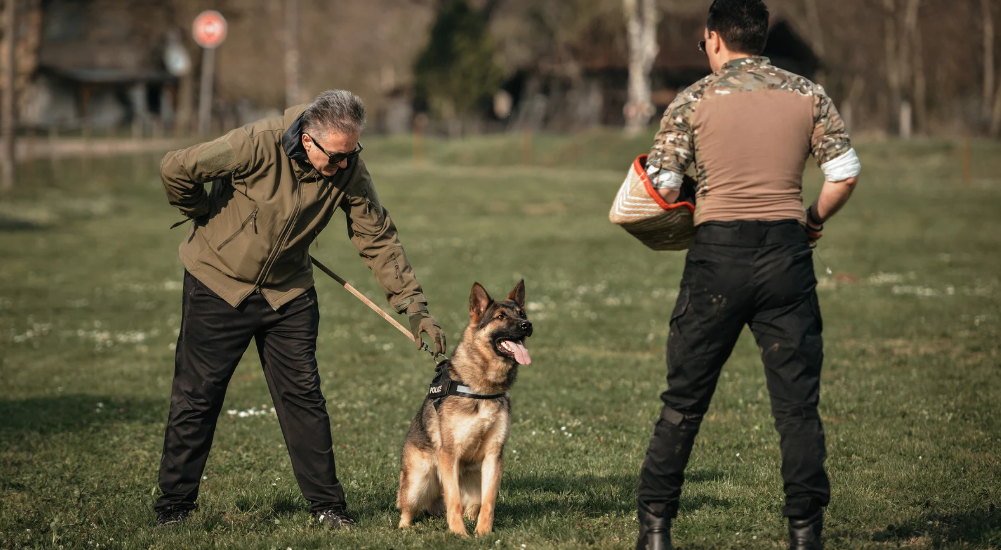
Modern policing and security operations demand precision, discipline, and tactical awareness. One of the most effective assets in this field comes from structured law enforcement K9 training, a program designed to enhance operational performance through canine intelligence, responsiveness, and instinct. Professionally trained K9 units have become indispensable, bridging the gap between human capability and the demands of high-risk environments.
Why K9 Units Are Vital in Modern Enforcement
Law enforcement agencies rely on K9 teams for their unmatched detection ability, agility, and reliability. Dogs trained under strict professional standards can identify narcotics, explosives, or concealed threats faster and more accurately than most technological alternatives. Their acute senses and disciplined conditioning make them ideal for time-sensitive missions and complex tactical scenarios.
Moreover, beyond detection work, trained K9S excel in suspect apprehension and crowd control, functioning as both a deterrent and a rapid-response resource. Their mere presence reinforces authority while minimizing the need for escalation, making them invaluable to maintaining safety with precision and restraint.
The Foundation of Effective Training
The success of any K9 program lies in consistent, professionally managed training. Structured courses for law enforcement focus on three core elements: obedience, task-specific conditioning, and handler integration. These components ensure that both the dog and handler operate as a unified team under pressure.
Expert trainers use progressive reinforcement techniques rather than intimidation, cultivating a balance between alertness and composure. This approach strengthens the dog’s confidence, reliability, and decision-making instincts in high-stress situations.
Equally important is the development of handler competence. The partnership between a K9 and its handler determines the operational success of the unit. Effective value of K9 unit training programs invest heavily in developing handler communication skills, ensuring precise commands, and promoting trust that leads to split-second coordination during missions.
Specialized Applications for Security and Public Safety
Beyond policing, professional K9 training extends to private security, border patrol, and military applications. Dogs trained for these environments are conditioned to detect contraband, locate individuals, and provide perimeter protection with remarkable accuracy.
Their adaptability allows them to transition between tactical and non-tactical roles seamlessly, whether inspecting vehicles, supporting search operations, or providing presence in public spaces. Each function contributes to maintaining order, safety, and deterrence in environments that demand vigilance.
Long-Term Impact of Professional Training
The benefits of a well-trained K9 extend beyond immediate operational success. Professionally developed programs emphasize long-term performance, health maintenance, and continuous retraining. This ensures that dogs remain at peak efficiency throughout their service life.
Regular refresher sessions reinforce learned behaviors, prevent skill degradation, and strengthen the bond between handler and dog. Continuous professional oversight is critical; it guarantees the animal’s welfare while upholding the standards of operational excellence expected in law enforcement.
Final Thoughts
Investing in professional K9 training is an investment in operational integrity and safety. These dogs are not only tactical assets but partners who embody discipline, precision, and loyalty. Their contribution to law enforcement and security operations demonstrates the power of structured expertise, transforming instinct into action and teamwork into unmatched efficiency.
Well-trained K9 units stand as a testament to the value of specialized, professional development, an indispensable force in ensuring public safety and strengthening the frontline of modern defense.