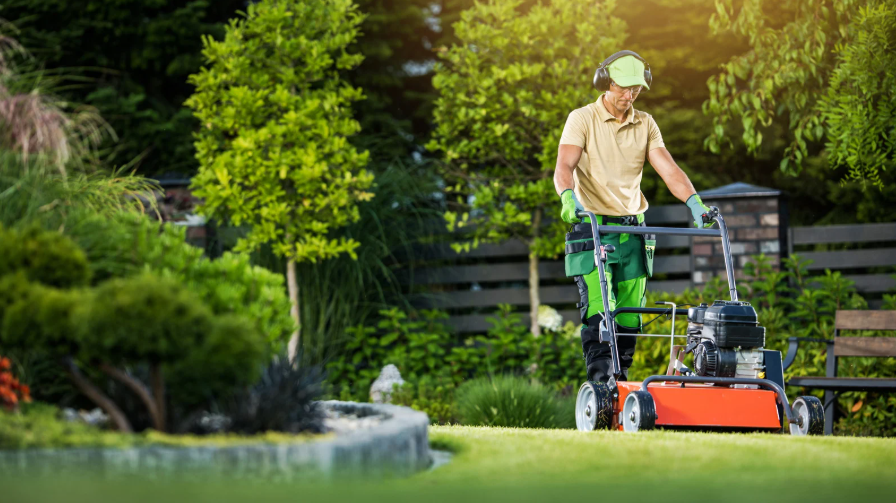
Modern outdoor design goes beyond plant selection; it’s about structure, proportion, and visual harmony. Professionals in landscaping in Alpharetta understand that layered landscaping is not merely an aesthetic trend but a strategic approach to creating balance and dimension. By incorporating height variations, color gradients, and textural contrasts, layered landscapes add visual depth while enhancing ecological functionality. Within the first impression of such a space, one can sense both sophistication and natural flow, a hallmark of professional craftsmanship.
The Concept of Layered Landscaping
Layered landscaping is built on the principle of arranging plants, shrubs, and trees in structured tiers to create a cohesive visual narrative. Each layer contributes to depth, movement, and a natural rhythm within the design. The technique involves more than planting in rows; it’s an intentional composition that aligns with sunlight exposure, soil conditions, and spatial hierarchy.
When executed correctly, the result is a landscape that feels both organic and meticulously designed. It maximizes visibility, encourages healthy plant growth, and ensures year-round visual interest. This approach also allows designers to incorporate hardscaping elements seamlessly, creating a balanced interplay between natural and constructed features.
Design Principles Behind Effective Layering
The key to achieving a refined landscape lies in understanding the essential elements of a well-designed landscape, such as proportion, texture, and balance. Professional landscapers apply these principles to ensure that every layer, from ground cover to canopy, serves a purpose both functionally and aesthetically.
Low-lying plants define boundaries and soften edges, while medium-height shrubs provide body and visual flow. Taller trees or vertical elements then establish structure and focal points. The layering process not only enhances dimension but also guides the viewer’s eye naturally across the space, creating a sense of depth and motion.
Texture plays a vital role as well. Combining smooth leaves with rough bark, feathery ferns with dense evergreens, or ornamental grasses with stone borders introduces tactile diversity. These contrasts give the landscape a dynamic quality, making it visually engaging across seasons.
Functional and Environmental Advantages
Beyond visual appeal, layered landscaping provides practical and ecological benefits. Strategically placed vegetation supports natural drainage, reduces erosion, and regulates soil temperature. This multi-level arrangement also improves air circulation and biodiversity by creating habitats for pollinators and small wildlife.
Professionally designed layered landscapes are also easier to maintain. The strategic placement of plant varieties based on growth rate and sunlight needs minimizes overgrowth and competition, promoting long-term plant health. The outcome is a sustainable design that matures gracefully without requiring excessive upkeep.
Enhancing Property Value and Outdoor Experience
A well-executed layered design significantly elevates a property’s aesthetic and monetary value. It creates curb appeal that resonates with potential buyers and provides homeowners with an outdoor sanctuary designed for both relaxation and entertainment. In upscale communities like Alpharetta, where visual standards are high, layered landscapes exemplify modern luxury and environmental mindfulness.
The integration of walkways, lighting, and accent features further enhances the spatial experience. Each detail, from the color palette to the seasonal bloom schedule, contributes to a cohesive outdoor atmosphere that reflects intentional design and long-term investment.
Conclusion
Layered landscaping represents the pinnacle of outdoor design sophistication. It merges artistry with ecological intelligence, delivering spaces that are visually rich, structurally balanced, and environmentally sustainable. When executed by seasoned professionals, this approach transforms ordinary yards into multidimensional environments that evolve beautifully over time.
In essence, layered landscaping is more than a design choice; it’s a strategy for creating outdoor harmony. It enhances texture, defines structure, and adds enduring value to properties, reflecting a commitment to both beauty and functionality in every element of the landscape.