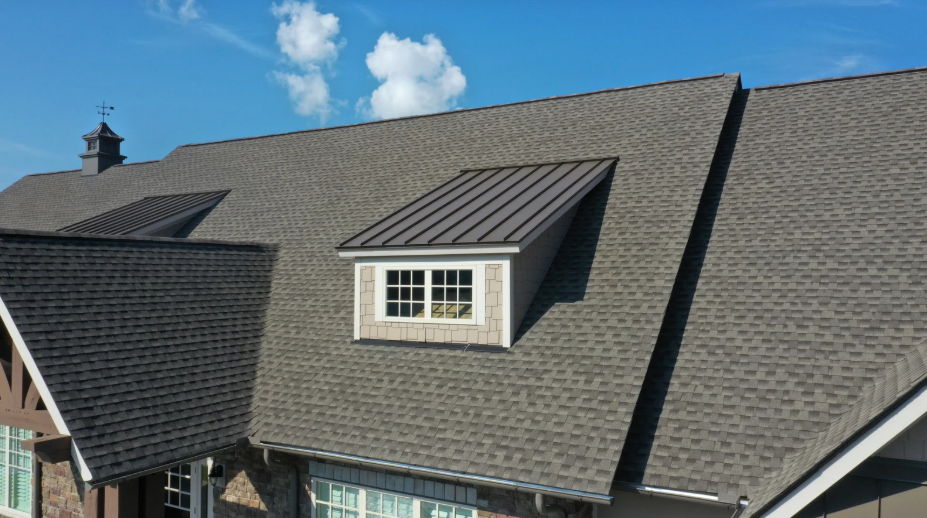
Rubber roofing systems are highly durable, cost-effective, and environmentally efficient, but only when installed by professionals with specific expertise in the material’s technical demands. Unlike traditional shingle or metal roofs, rubber membranes require precision handling, specialty adhesives, and proper substrate preparation to ensure long-term performance. For property owners in metro areas seeking resilient flat-roof solutions, working with experienced specialists for rubber roofing in Atlanta is essential for getting the job done right the first time.
Improper installation can lead to seam failures, water pooling, and premature deterioration, outcomes that negate the very benefits rubber roofing is known for.
Material Sensitivity and Installation Precision
Rubber roofing is most commonly installed as EPDM (ethylene propylene diene monomer), TPO (thermoplastic polyolefin), or PVC (polyvinyl chloride) membranes. Each type comes with its own set of installation methods, chemical bonding agents, and surface preparation requirements.
Professionals understand how climate conditions affect adhesion, curing time, and material flexibility. For example, incorrect temperature application during bonding can result in poor sealing, leaving the system vulnerable to water ingress. An experienced installer accounts for all environmental factors, including humidity, substrate material, and wind exposure, to ensure long-term resilience.
Proper training in membrane handling is critical. Stretching, misalignment, or improper fastening can compromise the waterproofing barrier, shortening the roof’s functional life significantly.
Drainage and Slope Management
One of the primary risks with flat and low-slope rubber roofing is water pooling. Without proper slope design and drain placement, even a flawlessly applied membrane can begin to fail.
Qualified rubber roofing contractors assess building geometry and structural elevation to ensure water is directed away from the surface efficiently. Improper pitch or misaligned drain systems not only reduce lifespan but can also lead to costly structural repairs over time.
Additionally, edge flashing and termination bars must be installed with precision to avoid water infiltration at the roof’s perimeter, another frequent failure point when the work is rushed or mishandled.
Longevity Hinges on Correct Detailing
The strength of a rubber roof lies not just in the membrane but in the details, seams, curbs, pipe penetrations, and wall transitions. These areas are especially vulnerable if installers lack specialized training.
Professionals experienced in understanding the different types of rubber roofing systems know how to navigate these problem areas using manufacturer-approved methods. Whether it involves heat-welding, tape bonding, or mechanical attachment, each method must be matched with the appropriate product and environmental conditions to achieve optimal results.
Improperly treated seams or unsupported transitions can break down long before the rest of the system, forcing unnecessary repairs or premature replacements.
Post-Installation Inspections and Maintenance
Even a flawless installation can fail without proper follow-up and maintenance protocols. Reputable contractors conduct post-installation inspections to verify membrane integrity, drainage performance, and seal security.
They also advise on routine maintenance schedules to monitor for signs of stress, punctures, or UV degradation, ensuring issues are addressed before they evolve into more costly problems.
Conclusion
Rubber roofing systems are among the most reliable solutions for flat or low-slope structures, but only when installed by contractors who specialize in their complexities. From membrane selection and environmental consideration to drainage planning and seam detailing, expert execution is non-negotiable. A properly installed rubber roof can last decades with minimal upkeep, delivering true long-term value for property owners who prioritize precision over shortcuts.